GSS Fabrication Home

Category

Engineering Resources

18 articles

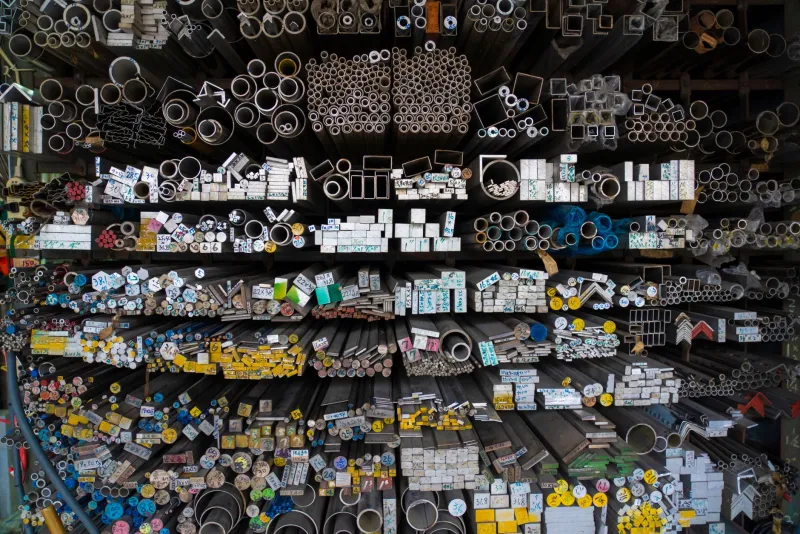
One Part, Fifty Projects: How Disciplined Traceability Systems Keep Custom Fabrication Shops from Coming Apart at the Seams

One Part, Fifty Projects: How Disciplined Traceability Systems Keep Custom Fabrication Shops from Coming Apart at the Seams

Custom fabrication shops running multiple concurrent projects face a traceability challenge that off-the-shelf inventory software rarely anticipates. When identical-looking blanks belong to different customers with different specs, the difference between an organized shop and a chaotic one comes down to systems—not intentions. This article examines the operational disciplines that prevent mix-ups, mislabeled shipments, and the costly rework that follows.
What Your Drawing Doesn't Measure: The Commercial Cost of Ambiguous Surface Finish Specifications

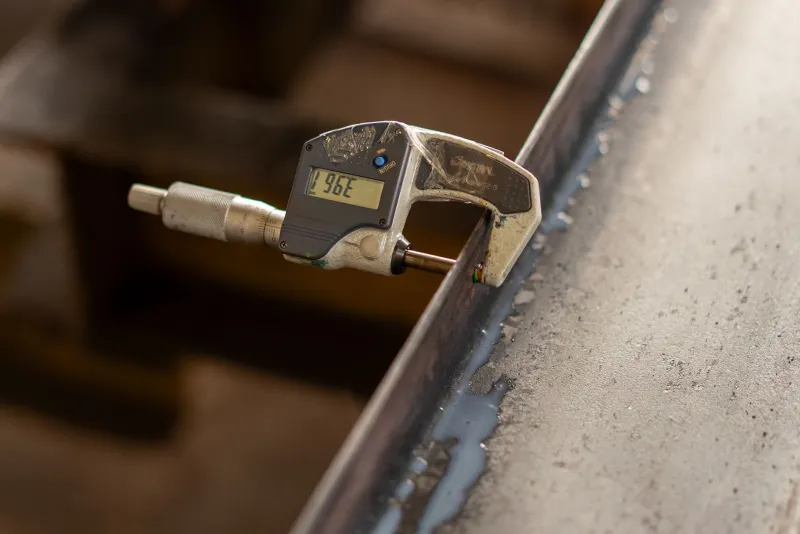
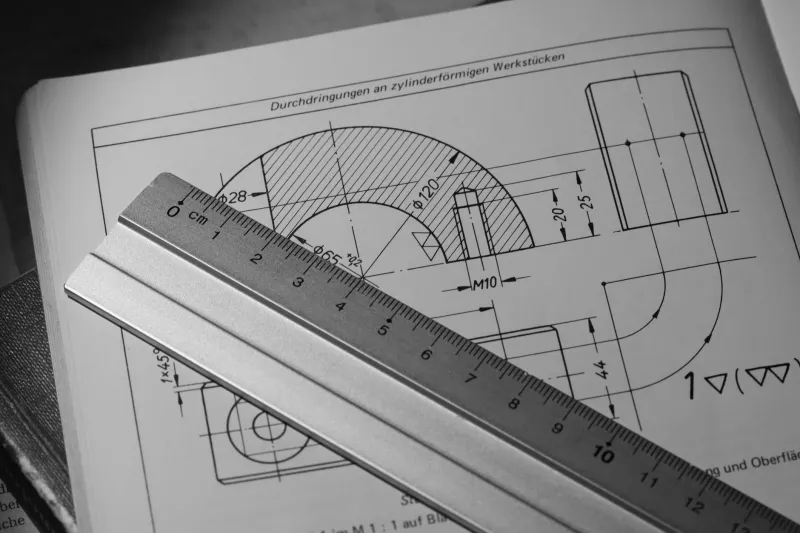
What Your Drawing Doesn't Measure: The Commercial Cost of Ambiguous Surface Finish Specifications

Vague surface finish callouts are among the most overlooked sources of rework, dispute, and customer dissatisfaction in metal fabrication. When drawings fail to communicate finish requirements with technical precision, the consequences ripple from the shop floor all the way to the invoice. Understanding the language of surface finish is not optional—it is a prerequisite for successful project execution.

When Precision Becomes a Problem: The Hidden Costs of Over-Toleranced Fabrication Drawings

When Precision Becomes a Problem: The Hidden Costs of Over-Toleranced Fabrication Drawings

Specifying the tightest possible tolerances on fabrication drawings may feel like sound engineering practice, but it frequently drives up costs, extends lead times, and introduces failure points that looser specifications would have avoided entirely. Understanding where precision genuinely matters—and where it does not—is one of the most valuable distinctions an engineering team can develop. This article examines how relaxing unnecessary tolerance requirements has delivered better outcomes for f

When Great Engineering Meets the Shop Floor: Why Every Blueprint Needs a Fabricator's Eye

When Great Engineering Meets the Shop Floor: Why Every Blueprint Needs a Fabricator's Eye

A technically sound blueprint is not the same as a fabrication-ready blueprint. Even the most carefully engineered drawings can carry hidden assumptions that only experienced shop floor professionals recognize before the first cut is made. Understanding where design intent and manufacturing reality diverge is the first step toward building projects that deliver on both.

When Perfect Plans Meet Imperfect Reality: Bridging the Gap Between CAD Specifications and Fabricated Parts

When Perfect Plans Meet Imperfect Reality: Bridging the Gap Between CAD Specifications and Fabricated Parts

A CAD model represents an idealized version of a part—one that exists in a frictionless, temperature-neutral, perfectly rigid world. Real fabrication shops operate under none of those conditions. Understanding what separates a theoretical specification from a physically realized component is essential knowledge for any engineer or procurement professional working with precision metal fabricators.

Tighter Isn't Always Better: Understanding How Tolerance Decisions Shape Fabrication Cost and Schedule

Tighter Isn't Always Better: Understanding How Tolerance Decisions Shape Fabrication Cost and Schedule

Tolerance specifications are among the most consequential decisions an engineering team makes—yet their downstream effects on cost, lead time, and production complexity are frequently underestimated. This article examines how specification choices cascade through every stage of the fabrication process and offers a practical framework for matching tolerance requirements to real-world performance needs.

When Eyeballing Isn't Enough: The Hidden Costs of Relying Solely on Visual Inspection in Metal Fabrication

When Eyeballing Isn't Enough: The Hidden Costs of Relying Solely on Visual Inspection in Metal Fabrication

Visual inspection has long been a staple of fabrication quality control, but relying on it exclusively is leaving defects undetected and customers dissatisfied. From warranty claims to lost contracts, the financial consequences of inadequate inspection practices run far deeper than most shops realize. This article examines why modern metrology and automated inspection systems are no longer optional—they are essential.

Unplanned Downtime Is a Choice: The Business Case for Systematic Preventive Maintenance in Metal Fabrication

Unplanned Downtime Is a Choice: The Business Case for Systematic Preventive Maintenance in Metal Fabrication

Every hour a CNC machine, press brake, or welding system sits idle due to an unexpected failure is an hour that compounds across schedules, labor costs, and client relationships. A disciplined preventive maintenance program is not an overhead expense—it is one of the highest-return investments a fabrication shop can make. This article examines the real financial mechanics of equipment downtime and presents a structured framework for building a maintenance strategy that protects both production c

Old Iron, Modern Demands: How Fabrication Shops Keep Legacy Equipment Competitive

Old Iron, Modern Demands: How Fabrication Shops Keep Legacy Equipment Competitive

Aging machinery is a reality at many mid-sized fabrication facilities across the United States, but experienced shops know that machine age does not have to mean diminished capability. From strategic retrofits to operator-driven compensation techniques, the best fabricators turn equipment longevity into a competitive discipline. This article examines how skilled shops manage legacy machinery without sacrificing precision, throughput, or client confidence.

Where Projects Go to Wait: Diagnosing and Eliminating Quality Control Bottlenecks in Metal Fabrication

Where Projects Go to Wait: Diagnosing and Eliminating Quality Control Bottlenecks in Metal Fabrication

When fabrication projects stall, most project managers look to the shop floor for answers—but the real gridlock often lives inside the quality control process itself. Outdated inspection protocols, ambiguous acceptance criteria, and misaligned communication cycles can add weeks to a delivery timeline without a single weld or cut being to blame. This article presents a structured framework for identifying QC-driven delays and implementing leaner, faster inspection systems that uphold—rather than

The Operator Behind the Output: How CNC Programming Expertise Defines Fabrication Excellence

The Operator Behind the Output: How CNC Programming Expertise Defines Fabrication Excellence

A state-of-the-art CNC machine is only as capable as the programmer operating it. In modern fabrication, the human expertise behind toolpath strategy, setup optimization, and code refinement determines whether a shop delivers precision results or costly rework. Understanding this distinction is essential for any manufacturer evaluating fabrication partners.

Design First, Inspect Later Is a Losing Strategy: How Upstream Fabrication Expertise Eliminates Defects Before They Begin

Design First, Inspect Later Is a Losing Strategy: How Upstream Fabrication Expertise Eliminates Defects Before They Begin

Too many manufacturers treat end-of-line inspection as a safety net, only to discover that no amount of quality control can undo a fundamentally flawed design. Bringing precision fabrication expertise into the design phase—long before the first cut is made—is the most effective defect-prevention strategy available. This article examines why the inspection-as-backstop model fails, and what a design-integrated fabrication approach delivers instead.

Built Fast, Built Right: The Operational Disciplines That Let Top Fabrication Shops Deliver on Demanding Schedules

Built Fast, Built Right: The Operational Disciplines That Let Top Fabrication Shops Deliver on Demanding Schedules

Compressing a fabrication timeline without compromising dimensional accuracy or structural integrity is not a matter of working faster—it is a matter of working smarter, with systems and disciplines in place before the first cut is made. This article examines the scheduling philosophy, lean manufacturing principles, and capital investments that enable the most capable shops to meet aggressive deadlines while holding the tolerances their customers require.

The True Price of Doing It Yourself: Why In-House Fabrication Often Costs More Than It Saves

The True Price of Doing It Yourself: Why In-House Fabrication Often Costs More Than It Saves

Many companies assume that bringing fabrication in-house will reduce costs and increase control—but the financial reality is frequently more complicated. From capital equipment commitments to workforce training and quality assurance overhead, the hidden expenses of self-managed manufacturing can quietly erode margins. Before committing to internal capabilities, decision-makers need a clear-eyed look at the full ROI picture.

Why Tolerance Specifications Define the Line Between Acceptable and Exceptional Fabrication

Why Tolerance Specifications Define the Line Between Acceptable and Exceptional Fabrication

In precision metal fabrication, the difference between a part that performs and one that fails often comes down to fractions of a millimeter. Understanding how tight tolerances are achieved—and verified—reveals what separates a capable fabricator from a truly exceptional one. This guide walks manufacturing decision-makers through the technical realities of tolerance control and what to demand from their fabrication partners.

Precision Metal Fabrication Is Everywhere—These 5 Industries Prove It

Precision Metal Fabrication Is Everywhere—These 5 Industries Prove It

Custom metal fabrication is often associated with heavy construction and traditional manufacturing, but its reach extends far beyond those familiar categories. From the towers generating wind energy across the American Midwest to the sterile enclosures protecting sensitive medical instruments, precision fabricated components are embedded in industries that rarely frame their work in fabrication terms. Understanding where this expertise applies—and why—opens new perspectives for both buyers and f

Steel, Aluminum, or Specialty Alloy? A Decision-Maker's Guide to Choosing the Right Material for Your Fabrication Project

Steel, Aluminum, or Specialty Alloy? A Decision-Maker's Guide to Choosing the Right Material for Your Fabrication Project

Selecting the wrong material for a custom fabrication project can result in cost overruns, performance failures, and costly rework. This guide walks engineers, procurement managers, and project leads through the critical factors that should inform material selection — from mechanical properties and environmental exposure to budget constraints and lead time realities.